


WONACH SUCHST DU?
Wenn der Cv-Wert bestimmt, wie viel Arbeit das Ventil leisten kann, dann ist die Leckageklasse (Leckageklasse) und Reichweite (Reichweite) die "Qualität der Arbeit" des Ventils zu bestimmen.
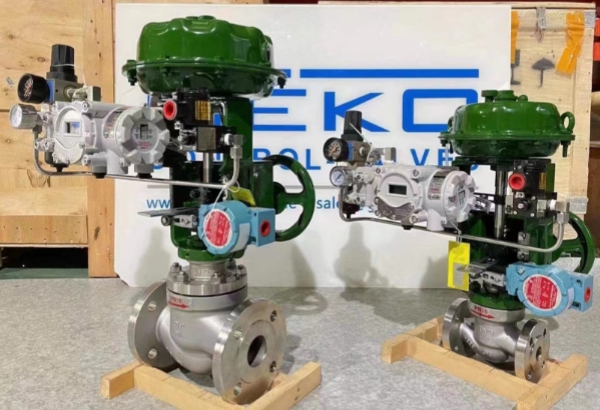
Leckageklasse ist die untere Leistungsgrenze: Wie dicht lässt sich das Ventil schließen?
Reichweite ist die obere Leistungsgrenze: Wie weit lässt sich das Ventil verstellen?
Viele Zwischenfälle im Feld ereignen sich nicht, weil das Ventil den Durchfluss nicht durchlassen kann, sondern weil das Ventil Kann nicht richtig schließen (was zu Hochdruckgaslecks und Materialverschwendung führt) oder lässt sich nicht richtig einstellen (was bei geringem Durchfluss zu Instabilität und bei hohem Durchfluss zu Sättigung führt).
In diesem Artikel werden wir diese beiden Schlüsselindikatoren erläutern, die das Leistungsniveau eines Ventils bestimmen.
01 Leckageschulung: Die Kunst des Ventilschließens
Es gibt keine absolute „Null-Leckage“ in der Welt. Selbst zwischen Metallatomen befinden sich Lücken.
Der branchenübliche Standard ist ANSI/FCI 70-2 (entsprechend IEC 60534-4). Diese Norm teilt die Leckage in 6 Klassen ein.
Hier eine detaillierte Erklärung der gebräuchlichen Klassen:
Klasse IV: Der Standard für harte Metalldichtungen
Klasse V: Ein schwieriger Schritt zum Überwinden
Klasse VI: Die Welt der Robben
💡 Auswahlfalle:
Streben Sie nicht blindlings nach Schutzklasse VI. Wenn Sie mit Hochtemperatur- und Hochdruckdampf arbeiten und Schutzklasse VI fordern, können Hersteller Ihnen nur teure Spezialmetallkonstruktionen anbieten, was zu enormen Kosten und einer ungewissen Lebensdauer führt. Für Regelventile ist in der Regel Schutzklasse IV ausreichend.
02 Reichweite: Ideal vs. Realität
Reichweite, auch bekannt als Turndown-Ratio, ist definiert als:
Das Verhältnis zwischen dem maximal steuerbaren Durchfluss und dem minimal steuerbaren Durchfluss des Ventils.
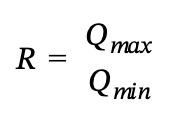
Warum die Angabe „100:1“ bei den Proben irreführend ist:
Die an den Proben angegebene Streubreite wird als bezeichnet Inhärente Reichweite.
Aber in der Praxis haben wir es mit Folgendem zu tun: Installierte Reichweite.
Erinnere dich an die Ventilautorität, S?
Der Rohrwiderstand wird die Druckdifferenz des Ventils „auffressen“.
Was bedeutet das?
Das bedeutet, dass sich das Ventil bei einem Durchfluss von nur noch 20 % bereits in der Nähe seiner geschlossenen Position befinden und instabil werden kann.
✅ Technische Regel:
Vertrauen Sie nicht blindlings auf Stichprobendaten. In Systemen mit niedrigen S-Werten muss der installierte Regelbereich berechnet werden. Ist der tatsächliche Durchflussbereich groß (z. B. minimaler Durchfluss beim Anfahren, maximaler Durchfluss im Normalbetrieb), reicht ein einzelnes Ventil möglicherweise nicht aus.geteilter BereichEine Lösung, bei der mehrere Ventile parallel geschaltet werden, könnte erforderlich sein.
Kontaktieren Sie uns jetzt für weitere Informationen zum Regelventil: info@geko-union.com

 E-Mail
: info@geko-union.com
E-Mail
: info@geko-union.com
 E-Mail
: info@geko-valves.de
E-Mail
: info@geko-valves.de
 E-Mail
: tw@geko-union.com
E-Mail
: tw@geko-union.com
 E-Mail
: nl@geko-union.com
E-Mail
: nl@geko-union.com



 IPv6-Netzwerk unterstützt