Auswahl zwischen Kugelhähnen mit vollem und reduziertem Durchgang: Ein vollständiger Leitfaden zur Auswahl von Kugelhähnen mit vollem bzw. reduziertem Durchgang.
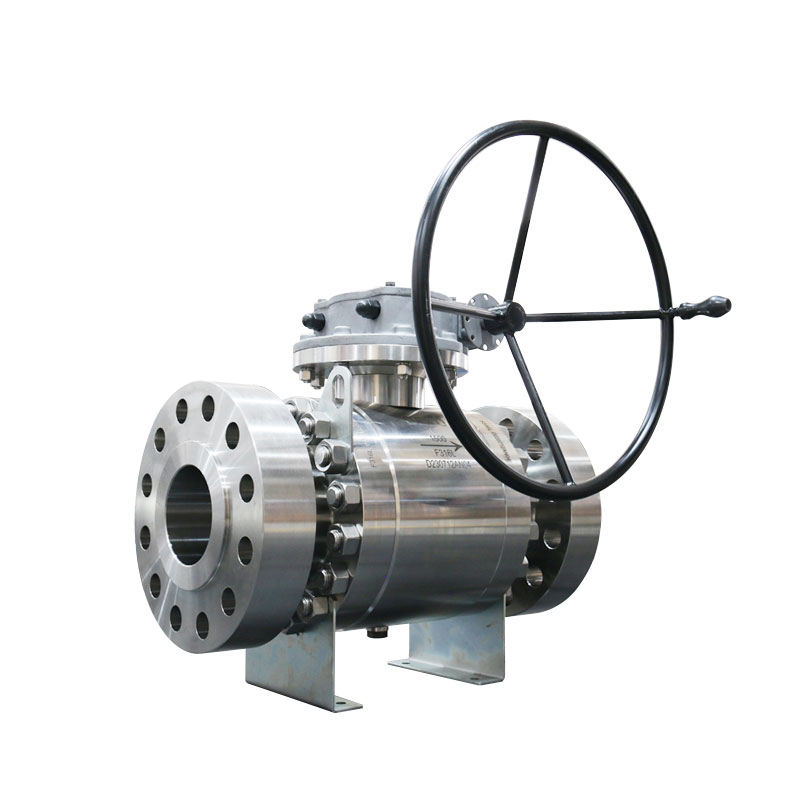
Bei der Spezifizierung von industriellen Vierteldreh-Kugelhähnen für Prozessleitungen, Fluidfördersysteme und Sicherheitsabsperrschleifen stehen Ingenieure häufig vor einer wichtigen Entscheidung: Kugelhähne mit vollem Durchgang oder Kugelhähne mit reduziertem DurchgangDiese beiden Bohrungskonfigurationen sind auf den globalen Industriemärkten auch unter anderen Fachbezeichnungen bekannt: Kugelhahn mit vollem Durchgang, Durchgangskugelhahn, Kugelhahn mit geradem Durchgang für den übergroßen Durchfluss; Kugelhahn mit reduziertem Durchgang, Kugelhahn mit eingeschränktem Durchgang, Kugelhahn mit schmalem Durchgang, Kugelhahn mit begrenzter Öffnung für die Ausführung mit kleinerem Durchfluss.
Die Größe der inneren Kugelöffnung bestimmt direkt den Strömungswiderstand, den Druckverlust, den Energieverbrauch der Pumpe, die Effizienz der Rohrleitungsreinigung, die Projektkosten und die langfristige Betriebsleistung des Systems. Eine falsche Wahl der Bohrungsgröße führt zu übermäßigem Druckverlust, eingeschränkter Molchleistung, höheren Betriebskosten und sogar zu versteckten Sicherheitsrisiken in kritischen Industriepipelines. Dieser detaillierte Leitfaden erläutert Definitionen, Bezeichnungen, strukturelle Unterschiede, Vor- und Nachteile sowie die anwendbaren Betriebsbedingungen für Kugelhähne mit vollem und reduziertem Durchgang, um Einkäufern präzise Beschaffungsentscheidungen zu ermöglichen.
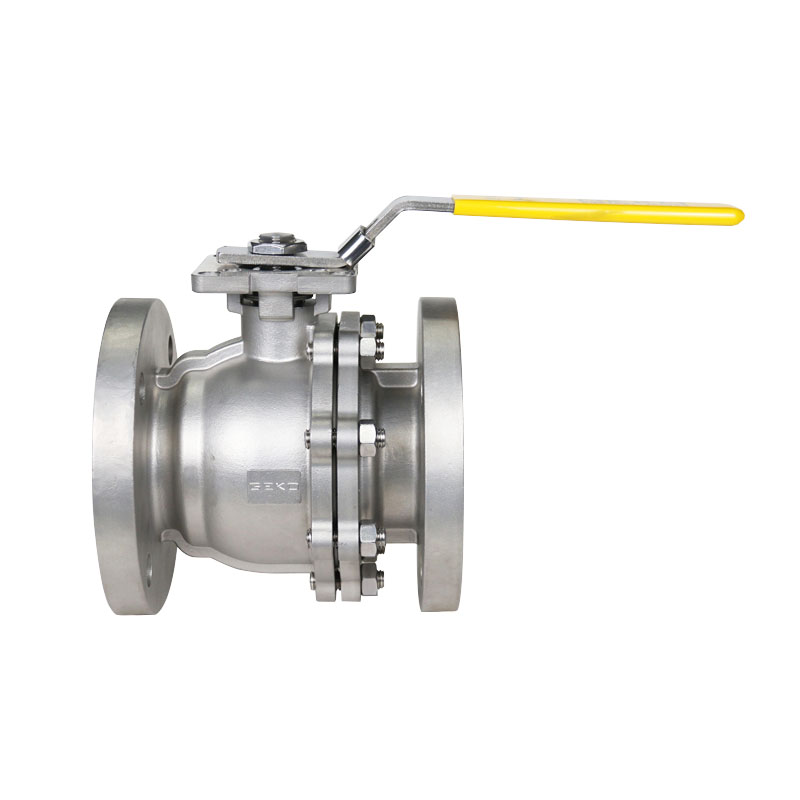
1. Definition und alle alternativen Bezeichnungen für Kugelhähne mit vollem Durchgang
Offizieller Standardname
Kugelventil mit vollem Durchgang
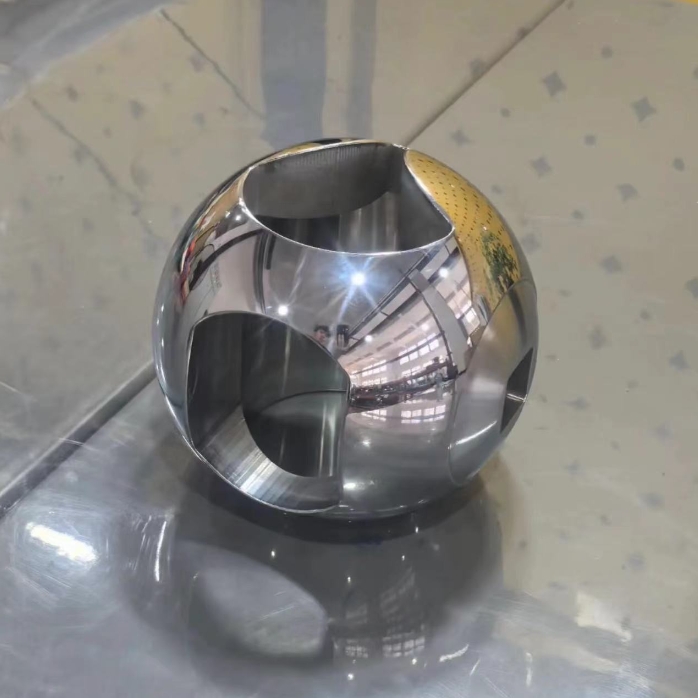
Gebräuchliche Industriesynonyme und regionale Bezeichnungen
- Kugelhahn mit vollem Durchgang (häufigste Bezeichnung in API-, ASME- und europäischen Normen)
- Durchgangskugelventil
- Kugelventil mit gerader Bohrung
- Volldurchfluss-Kugelhahn
- Kugelventil mit gleichem Bohrungsdurchmesser
Bei einem Kugelhahn mit vollem Durchgang entspricht die gebohrte kreisförmige Öffnung im Inneren der schwimmend oder zapfengelagerten Kugel exakt dem Innendurchmesser der angeschlossenen Rohrleitung. Der Strömungskanal bildet im vollständig geöffneten Zustand einen geraden, ungehinderten Durchgang mit minimaler Verengung.
Hauptvorteile von Kugelhähnen mit vollem Durchgang / vollem Bohrungsdurchmesser
- Nahezu kein Druckverlust am Ventilkörper, wodurch die Pumpenlast und der Energieverbrauch für Umwälzsysteme mit hohem Durchfluss erheblich reduziert werden.
- Unterstützt die Molchung von Rohrleitungen, interne Inspektionen und mechanische Reinigungen (unerlässlich für Öl- und Gastransportleitungen sowie Rohöl-, Erdgas- und Raffinerieproduktleitungen).
- Geeignet für viskose Medien, Schlämme, Abwasser und Flüssigkeiten mit Feststoffpartikeln ohne Verstopfungsgefahr
- Uneingeschränkte Flüssigkeitsgeschwindigkeit, ideal für Notablass-, Entleerungs- und Schnellabsperrdienste
- Kompatibel mit schwimmend gelagerten Kugelventilen und Kugelhahnkonstruktionen für niedrige bis ultrahohe Druckklassen.
Nachteile
Größere Kugelkomponenten erfordern im Vergleich zu Ventilen mit kleinerem Durchmesser größere Gesamtabmessungen des Ventilkörpers, ein höheres Gewicht, höhere Rohmaterialkosten und einen höheren Anschaffungspreis.
Typische Anwendungsszenarien
- Fernleitungen für Öl und Gas
- Prozessleitungen in Raffinerien, petrochemische Flüssigkeitstransferkreisläufe
- Hydraulische Systeme, Kühlwasserzirkulation mit hohem Durchfluss in Kraftwerken
- Rohrleitungen, die regelmäßige Molchungen und eine Inspektion auf interne Korrosion erfordern
- Pipelines für den Transfer von kryogenem LNG und flüssigem Stickstoff
2. Definition und alle alternativen Bezeichnungen für Kugelventile mit reduziertem Durchgang
Offizieller Standardname
Kugelventil mit reduziertem Durchgang
Weitgehend akzeptierte Industriebezeichnungen
- Kugelhahn mit reduziertem Durchmesser (weltweit gebräuchlicher technischer Begriff)
- Kugelventil mit verengtem Durchgang
- Kugelventil mit schmalem Durchmesser
- Kugelventil mit begrenzter Öffnung
- Kugelventil mit verengtem Durchgang
- Kugelventil mit Teilbohrung
Der Innendurchmesser eines Kugelhahns mit reduziertem Innendurchmesser ist bewusst kleiner als die Nennweite (NPS/DN) der Ventilanschlüsse, üblicherweise ein bis zwei Größen kleiner. Dadurch entsteht eine Verengung im Inneren der Kugel, die beim Durchfluss des Fluids zwangsläufig Turbulenzen und Druckverluste verursacht.
Hauptvorteile von Kugelhähnen mit reduziertem Durchgang / reduziertem Bohrungsdurchmesser
- Kompakte Gesamtstruktur, kleinere Abmessungen, geringeres Gewicht und einfachere Installation in beengten Räumen
- Niedrigere Herstellungskosten bieten erhebliche wirtschaftliche Vorteile bei der Beschaffung großer Mengen von Standardprodukten.
- Ein kleinerer Kugelkern reduziert das Betriebsdrehmoment, wodurch kleinere und kostengünstigere pneumatische/elektrische Aktuatoren für die automatisierte Steuerung erforderlich sind.
- Ausreichende Abschaltleistung für herkömmliche, nicht kritische Abzweigleitungen mit geringem Durchfluss
Nachteile
- Offensichtlicher Druckabfall und Förderhöhenverlust, was zu einem erhöhten kontinuierlichen Energieverbrauch der Umwälzpumpen führt.
- Inspektionsmolche dürfen Pipelines nicht passieren; die Durchfahrt auf Haupttransportleitungen, die einer internen Reinigung bedürfen, ist verboten.
- Höheres Verstopfungsrisiko beim Umgang mit viskosen Flüssigkeiten, Schlamm und partikelhaltigen Medien
Typische Anwendungsszenarien
- Gebäude-HLK, Trinkwasserversorgung und kleine industrielle Hilfsleitungen
- Instrumentenluft, Druckgas, kleine Chemikaliendosierleitungen
- Sekundäre Bypass-Schleifen, Messpunkte und nichtkritische Isolationszweige
- Niederdruck-Wasseraufbereitung und allgemeine Rohrleitungen für die Leichtindustrie
3. Direkter Vergleich: Kugelhähne mit vollem Durchmesser vs. Kugelhähne mit reduziertem Durchmesser
- Innenbohrungsgröße: Voller Durchgang (entspricht dem Rohrinnendurchmesser) | Reduzierter Durchgang (unterdimensionierte Öffnung)
- Alternative NomenklaturKugelhahn mit vollem Durchgang | Kugelhahn mit reduziertem Durchgang
- DruckabfallMinimaler, vernachlässigbarer Druckverlust | Spürbare Turbulenzen und Druckverlust
- MolchkompatibilitätVollständig für die Pipelineinspektion geeignet | Nicht für Molchung geeignet
- Gesamtabmessungen und GewichtGrößer und schwerer | Kompakt und leicht
- AktoranforderungHöheres Drehmoment, größerer Aktuator | Niedrigeres Drehmoment, kleinerer Aktuator
- GesamtkostenHöhere Anfangsinvestition | Kosteneffektiv, budgetfreundlich
- Am besten geeignet fürHauptprozessleitungen, Öl & Gas, Kryotechnik, Hochdurchflusssysteme | Hilfsleitungen, HLK, Instrumentengas, allgemeine Ein-/Aus-Abschaltung
4. Praktische Auswahlregeln zur Vermeidung falscher Spezifikationen
- Wählen Kugelhahn mit vollem Durchgang Wenn es sich um eine Hauptleitung handelt, eine Molchung erforderlich ist, große Durchflussmengen, viskose Flüssigkeiten, Schlämme oder kryogene Medien transportiert werden oder Energieeinsparung oberste Priorität hat.
- Angeben Kugelhahn mit reduziertem Durchmesser (reduzierter Durchgang) für sekundäre Abzweigungen, Instrumentenleitungen mit kleinem Durchmesser, manuelle gelegentliche Absperrung und kostenkontrollierte, nicht kritische Projekte.
- Bei zapfengelagerten Hochdruckkugelhähnen für den Einsatz in der Öl- und Gasindustrie gemäß API 6D ist die Ausführung mit vollem Durchgang stets der branchenübliche Standard.
- Kleine Schwimmkugelhähne der Nennweiten DN15 bis DN50 für allgemeine Anwendungen sind meist standardmäßig in Ausführungen mit reduziertem Bohrungsdurchmesser erhältlich, während Absperrventile mit großem Durchmesser bevorzugt in Vollbohrungsbauweise ausgeführt sind.
5. Schlussfolgerung
Der Hauptunterschied zwischen Kugelhähnen mit vollem Durchgang (voller Bohrungsdurchmesser, Durchgangsdurchmesser, voller Durchfluss) und Kugelhähnen mit reduziertem Durchgang (reduzierter Bohrungsdurchmesser, verengter Bohrungsdurchmesser, enger Bohrungsdurchmesser) liegt in der Größe des internen Durchflusskanals und der daraus resultierenden Systemleistung. Es gibt keine universell bessere Lösung, sondern nur die am besten geeignete Konfiguration, die der Rohrleitungshierarchie, dem Durchflussbedarf, den Medieneigenschaften, den Molchanforderungen und dem Projektbudget entspricht.
GEKO Valve liefert sowohl Kugelhähne mit vollem Durchgang als auch Kugelhähne mit reduziertem Durchgang in schwimmender und zapfengelagerter Ausführung mit Gehäusewerkstoffen aus WCB-Kohlenstoffstahl, Edelstahl SS304/SS316, Duplexstahl, PTFE-Weichdichtungen und STL-Hartmetalldichtungen, um alle Anforderungen an die industrielle Bohrungskonfiguration für die globale Prozessindustrie zu erfüllen.






 E-Mail
: info@geko-union.com
E-Mail
: info@geko-union.com
 E-Mail
: info@geko-valves.de
E-Mail
: info@geko-valves.de
 E-Mail
: tw@geko-union.com
E-Mail
: tw@geko-union.com
 E-Mail
: nl@geko-union.com
E-Mail
: nl@geko-union.com



 IPv6-Netzwerk unterstützt