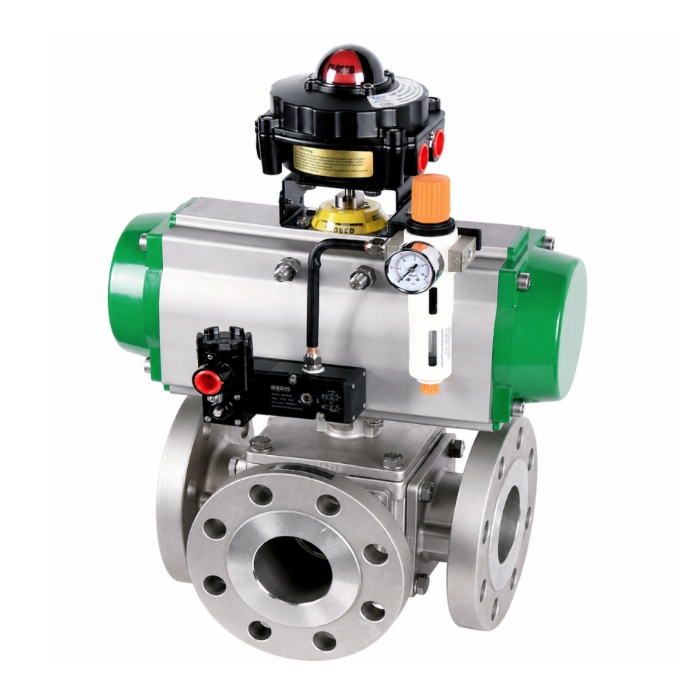
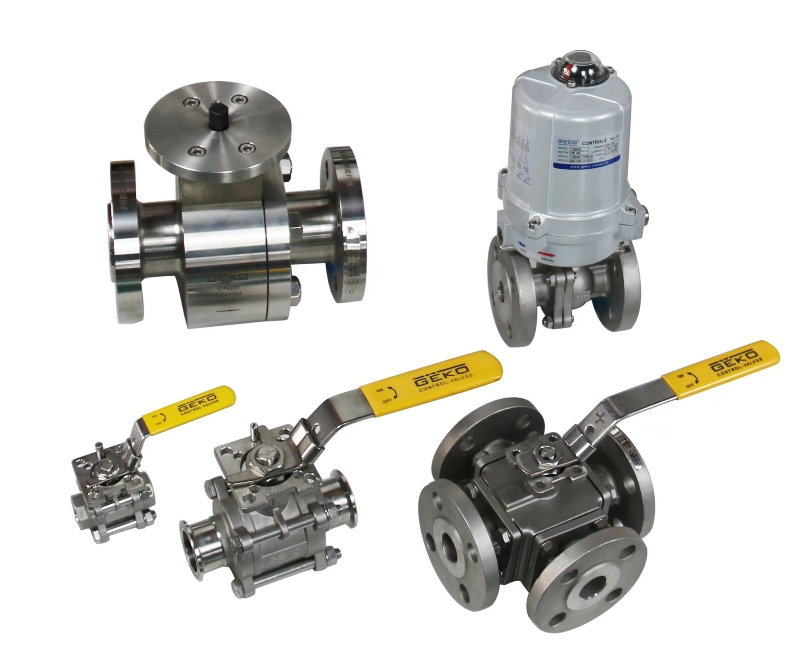
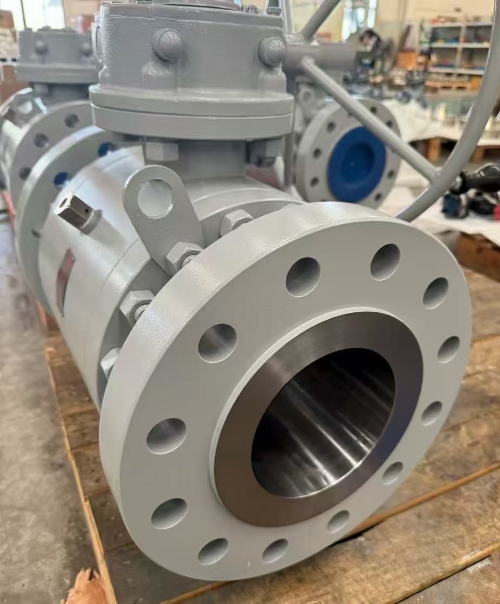
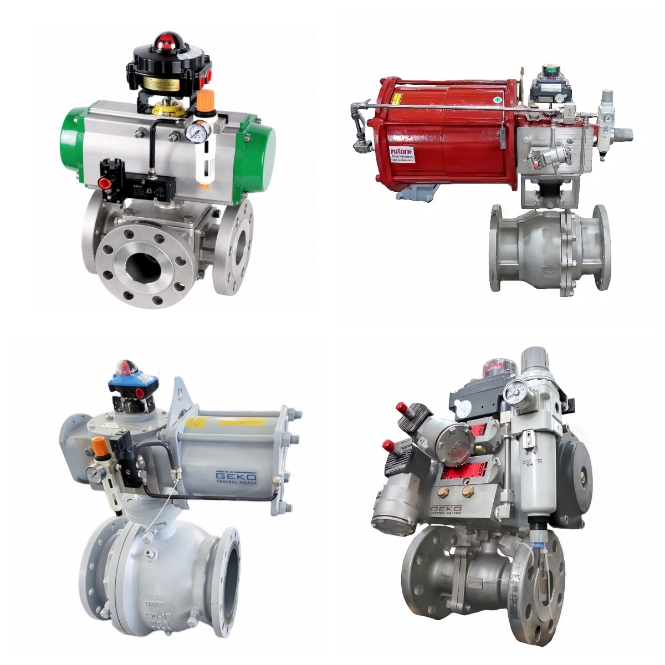
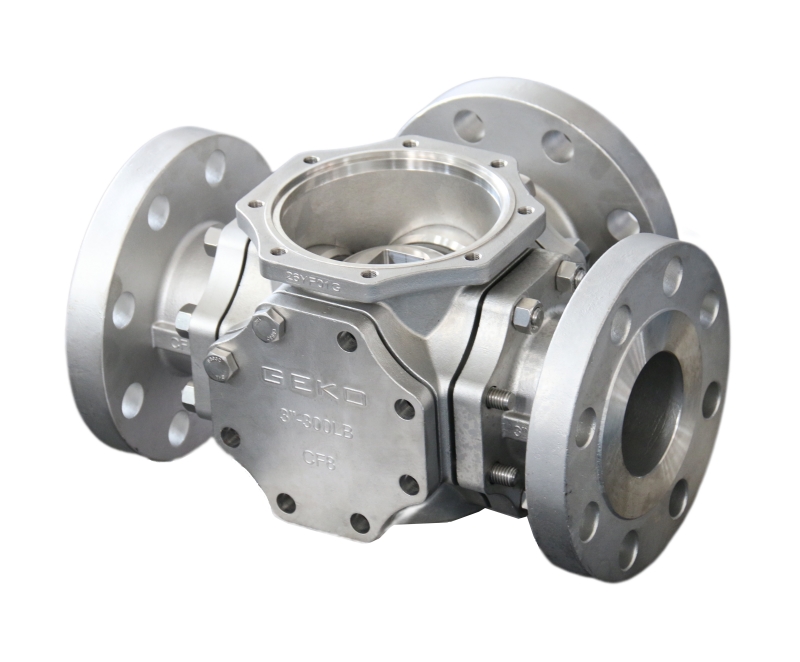
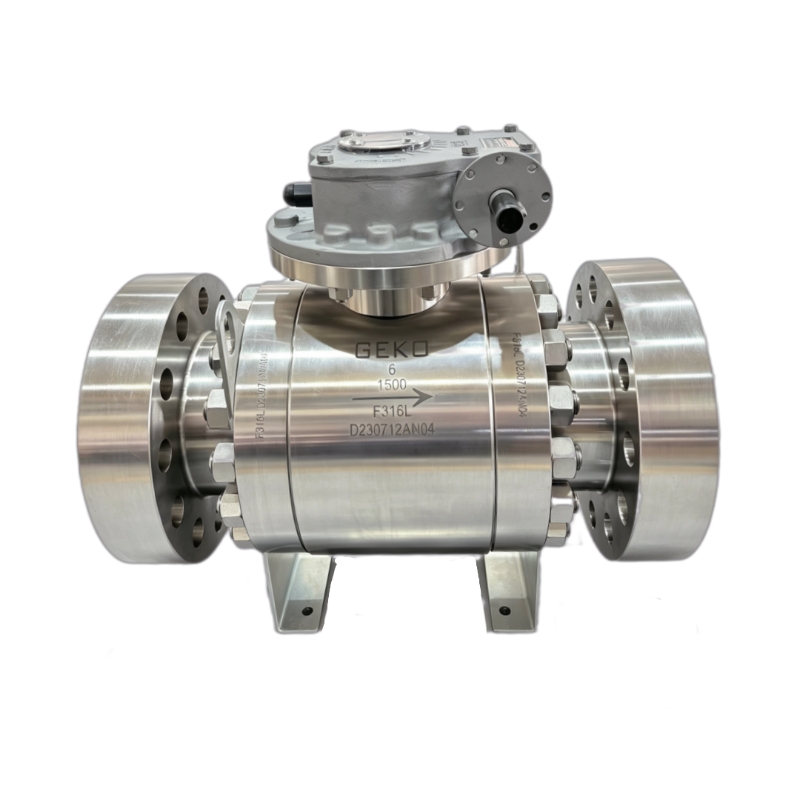
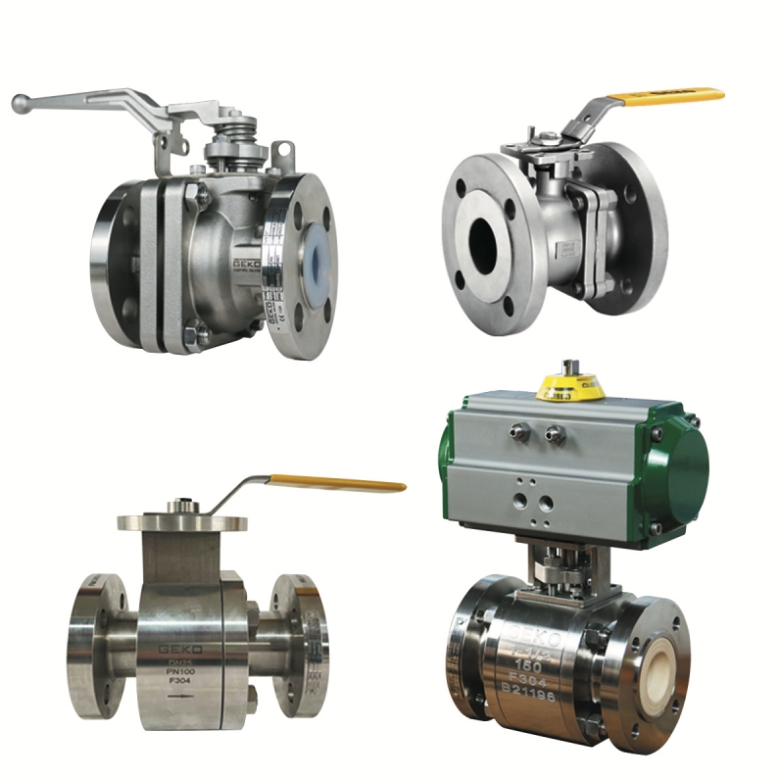
Metallisch dichtendes Kugelventil

Heim

Metallisch dichtendes Kugelventil

  • Ball Valve Selection Made Easy: Types, Applications, and Tips | GEKO Valve
    Ball Valve Selection Made Easy: Types, Applications, and Tips | GEKO Valve
    Sep 13, 2026
      Ball Valve Selection Made Easy: Types, Applications, and Tips Ball valves are the most versatile fluid control devices in modern industrial piping systems. Known for their quarter‑turn fast operation, bubble‑tight shutoff, compact structure, and long service life, ball valves are widely used to isolate or regulate gas, liquid, and slurry media across various industries. However, due to multiple valve structures, sealing types, bore sizes, and actuation options, many engineers and purchasers face confusion during selection. This article simplifies ball valve selection by clarifying common ball valve types, typical industrial applications, and practical selection tips to help you choose the correct industrial ball valve for your working conditions.   1. Common Types of Industrial Ball Valves Understanding ball valve classification is the foundation of correct selection. Industrial ball valves are mainly divided by structure, bore design, sealing method, and operation type. 1.1 Floating Ball Valve vs Trunnion Mounted Ball Valve Floating ball valves feature a free‑floating ball that relies on medium pressure to achieve sealing. With a simple structure and cost‑effective advantages, floating ball valves are ideal for small‑size, low‑pressure and medium‑pressure pipelines. They are widely used for general isolation and flow control in water treatment, HVAC, and light chemical systems.     Trunnion mounted ball valves adopt fixed upper and lower trunnions to lock the ball in place. This structural design greatly reduces operating torque and seat wear, allowing stable operation under large size, high pressure, and frequent cycling conditions. Trunnion ball valves are the preferred solution for heavy‑duty oil & gas pipelines, petrochemical process lines, and long‑distance transmission systems.   1.2 Full Port Ball Valve vs Reduced Port Ball Valve Full port ball valves have a straight bore identical to the pipe inner diameter, providing minimal pressure drop and allowing pipeline pigging. They are suitable for high‑flow pipelines and systems that require low flow resistance and easy pipeline maintenance. Reduced port ball valves have a smaller streamlined bore. They are lighter and more economical while meeting normal isolation requirements. Reduced port ball valves are widely used for general industrial pipelines where ultra‑low pressure drop and pigging are not required.   1.3 Soft Seated vs Metal Seated Ball Valve Soft seated ball valves use PTFE or other polymer materials for sealing, achieving bubble‑tight zero leakage at normal temperatures. They perform well in clean water, gas, and non‑abrasive chemical media and feature low operating torque and reliable sealing. Metal seated ball valves adopt metal‑to‑metal hard sealing with hardened or alloy‑coated seat surfaces. With high temperature resistance, high pressure resistance, and abrasion resistance, metal seated ball valves can handle abrasive slurry, thermal cycling, and corrosive media that soft seals cannot withstand. 1.4 Manual and Actuated Ball Valves Manual ball valves are suitable for low‑frequency operation and simple pipeline control. For automated industrial systems, pneumatic actuated ball valves and electric actuated ball valves are mainstream choices. Pneumatic ball valves offer fast switching and explosion‑proof performance, while electric ball valves support remote control and precise flow regulation for intelligent pipeline systems. 2. Industrial Applications of Ball Valves Different ball valve types correspond to specific industry scenarios. Matching valves based on process media, temperature, pressure, and operation frequency ensures stable long‑term performance. Water Treatment & HVAC: Soft seated floating ball valves and reduced port ball valves are commonly used for water supply, drainage, and air conditioning circulation pipelines. Chemical & Petrochemical Industry: Metal seated ball valves and anti‑corrosion ball valves are applied for corrosive, high‑temperature, and abrasive process media. Oil & Gas Transmission: Trunnion mounted ball valves and full port ball valves ensure safe isolation, low pressure loss, and convenient pipeline pigging. Power & Thermal Energy: High‑temperature resistant metal seated ball valves adapt to steam, thermal cycling, and high‑pressure working conditions. Automated Process Industry: Pneumatic and electric actuated ball valves realize automatic switching, remote monitoring, and intelligent flow control. 3. Practical Ball Valve Selection Tips Follow these simple and professional tips to avoid selection errors and improve pipeline system stability: Match structure with pressure and size: Choose floating ball valves for small low‑pressure pipelines and trunnion mounted ball valves for large high‑pressure service. Select sealing type by medium: Use soft seats for clean normal‑temperature media and metal seats for high‑temperature, abrasive, and corrosive media. Choose bore type according to flow demand: Select full port ball valves for low pressure drop and pigging requirements; use reduced port ball valves for cost‑effective general isolation. Select actuation mode reasonably: Use pneumatic actuators for explosion‑proof environments and electric actuators for remote intelligent control. Verify temperature and pressure rating: Always confirm valve class and material adaptability to extreme working conditions to prevent leakage and deformation. 4. Why Choose GEKO Valve Ball Valves GEKO Valve provides a full range of high‑performance industrial ball valves, including floating ball valves, trunnion mounted ball valves, full port and reduced port ball valves, soft seated and metal seated ball valves, as well as customized pneumatic and electric actuated ball valve packages. All valves are manufactured according to international standards, delivering stable sealing performance, low maintenance, and long service life for global industrial piping systems. 9 Core SEO Keywords: Floating Ball Valve, Trunnion Mounted Ball Valve, Full Port Ball Valve, Reduced Port Ball Valve, Metal Seated Ball Valve, Soft Seated Ball Valve, Pneumatic Actuated Ball Valve, Electric Actuated Ball Valve, Industrial Pipeline Ball Valve
    MEHR LESEN
  • Mastering Ball Valves: A Comprehensive Selection Guide | GEKO Valve
    Mastering Ball Valves: A Comprehensive Selection Guide | GEKO Valve
    Sep 07, 2026
    Mastering Ball Valves: A Comprehensive Selection Guide Ball valves are foundational fluid control components in modern industrial piping systems, trusted for their exceptional sealing performance, fast quarter‑turn operation, compact structure, and long operational lifespan. From general commercial piping to heavy‑duty oil and gas, petrochemical, and power generation facilities, industrial ball valves deliver reliable isolation and flow regulation for countless process conditions. Mastering professional ball valve selection is critical to eliminate pipeline leakage, reduce pressure loss, avoid equipment jamming, and minimize long‑term maintenance costs. This comprehensive guide fully elaborates on ball valve classifications, core performance characteristics, industry‑specific applications, and authoritative selection standards to help engineers and buyers master accurate valve matching for all working scenarios. 1. Complete Classification of Industrial Ball Valves Industrial ball valves are classified by structural mechanism, bore specification, sealing configuration, and driving mode. Each category features unique performance advantages and exclusive applicable working conditions: 1.1 Structural Classification: Floating vs Trunnion Mounted Ball Valve Floating ball valves adopt a free‑floating ball design with a simple, compact structure and cost‑effective advantages. The ball moves slightly under medium pressure and tightly presses against the downstream sealing seat to achieve bubble‑tight shutoff. This structure is ideal for small‑size, low to medium‑pressure conventional pipelines, widely used for general isolation and conventional flow control in water treatment, HVAC, and light chemical systems. Trunnion mounted ball valves feature dual upper and lower trunnion fixed support, completely locking the ball in place. This design transfers medium pressure load to the trunnion shaft instead of the sealing seat, effectively reducing operating torque and seat wear. It is the preferred heavy‑duty solution for large‑size, high‑pressure, high‑cycle industrial pipelines, dominating long‑distance oil and gas transmission, petrochemical refining, and heavy industrial process systems. 1.2 Bore Classification: Full Port vs Reduced Port Ball Valve Full port ball valves are designed with a straight through bore matching the pipe inner diameter, achieving nearly zero flow resistance and minimal industrial ball valve pressure drop. They fully support pipeline pigging and cleaning operations, making them essential for high‑flow transmission pipelines, process main lines, and systems with strict energy‑saving and low‑loss requirements. Reduced port ball valves adopt a streamlined reduced bore structure, featuring lighter weight, smaller volume, and lower manufacturing costs. Although the flow passage is slightly smaller, it fully meets conventional isolation and flow control demands. It is the most cost‑effective choice for ordinary industrial pipelines without pigging and ultra‑low pressure drop requirements. 1.3 Sealing Classification: Metal Seated vs Soft Seated Ball Valve Soft seated ball valves utilize high‑performance PTFE and polymer composite sealing materials, achieving absolute zero leakage under normal temperature and clean medium conditions. With low friction and flexible switching performance, they are suitable for clean water, compressed air, natural gas, and non‑abrasive chemical media, ensuring stable and reliable daily operation. Metal seated ball valves adopt hard alloy surfacing on sealing surfaces, possessing excellent high‑temperature resistance, high‑pressure resistance, and abrasion resistance. They can stably adapt to harsh working conditions such as high‑temperature thermal cycling, abrasive slurry, and corrosive media, completely solving the problems of soft seal aging, deformation, and failure in severe industrial environments. 1.4 Driving Classification: Manual vs Actuated Ball Valve Manual ball valves are equipped with handles or gear operators, suitable for low‑frequency manual operation scenarios with low cost and simple maintenance. For modern automated industrial systems,pneumatic actuated ball valves and electric actuated ball valves are mainstream configurations. Pneumatic ball valves provide fast switching speed and excellent explosion‑proof performance, adapting to flammable and hazardous working environments. Electric ball valves support precise flow modulation and remote signal linkage, perfectly matching PLC, SCADA, and intelligent pipeline control systems. 2. Core Performance Parameters for Professional Selection Accurate ball valve selection relies on standardized parameter verification rather than simple size matching. Core parameters that determine valve applicability include: - Flow Capacity (Cv Value): Professional ball valve Cv calculation ensures the valve’s flow capacity matches system flow demand, avoiding flow bottlenecks and excessive pipeline pressure loss. - Pressure & Temperature Rating: Match valve pressure class and temperature resistance grade according to maximum working pressure and extreme medium temperature to prevent seal failure and valve deformation. - Actuator Torque Matching: Scientifically calculate ball valve actuator torque based on actual pressure difference to ensure sufficient switching power and avoid jamming or incomplete valve opening/closing. - Medium Compatibility: Select sealing and body materials according to medium corrosion, abrasion, and viscosity to achieve long‑term stable operation. 3. Industry‑Specific Application Matching Rules Different industries have distinct process characteristics, requiring targeted ball valve configuration schemes: - Water Treatment & HVAC Systems: Adopt soft seated floating ball valves and reduced port ball valves, balancing cost, sealing stability, and low maintenance performance. - Oil & Gas Transmission: Prioritize full port trunnion mounted ball valves to meet high‑flow, low‑loss, and pipeline pigging maintenance requirements. - Petrochemical & Chemical Industry: Deploymetal seated ball valves and anti‑corrosion ball valves for high‑temperature, corrosive, and abrasive process media. - Thermal Power & Metallurgy: Use high‑temperature and wear‑resistant metal seated ball valves to adapt to steam, high‑temperature flue gas, and slag media. - Intelligent Manufacturing Industry: Equip pneumatic and electric actuated ball valves to realize automatic control, remote monitoring, and intelligent pipeline management. 4. Advanced Selection Tips to Avoid Operational Risks To master ball valve selection thoroughly, it is necessary to avoid conventional misunderstandings and form standardized selection logic: - Never select valves only by nominal pipe size; always verify Cv flow coefficient to prevent insufficient flow capacity and excessive industrial ball valve pressure drop. - Distinguish application boundaries of floating and trunnion structures: floating ball valves for small low‑pressure pipelines, trunnion mounted ball valves for large high‑pressure heavy‑duty systems. - Strictly separate soft and metal sealing scenarios: soft seals for clean normal‑temperature media, metal seals for high‑temperature, abrasive, and harsh corrosive media. - Reserve sufficient safety margin for actuator torque under high‑pressure differential conditions to eliminate switching failure risks. - Choose full port valves for pipelines requiring pigging cleaning to ensure smooth later maintenance. 5. GEKO Valve Professional Ball Valve Solutions As a professional industrial valve manufacturer, GEKO Valve provides a full lineup of high‑performance ball valves, covering floating ball valve, trunnion mounted ball valve, full port & reduced port ball valve,metal seated ball valve, and customized actuated ball valve packages. We provide one‑stop professional services including ball valve Cv calculation and actuator torque verification, effectively controlling system pressure loss and ensuring stable and efficient operation of valves in complex industrial working conditions. All products comply with international industry standards, serving global industrial piping projects with high quality, low failure rate, and long service life. Core SEO Keywords: Trunnion Mounted Ball Valve, Floating Ball Valve, Metal Seated Ball Valve, Full Port Ball Valve, Reduced Port Ball Valve, Pneumatic Actuated Ball Valve, Electric Actuated Ball Valve, Industrial Ball Valve, High Pressure Ball Valve
    MEHR LESEN
  • Ball Valve Selection Made Easy: Types, Applications, and Tips | GEKO Valve
    Ball Valve Selection Made Easy: Types, Applications, and Tips | GEKO Valve
    Sep 07, 2026
    Ball Valve Selection Made Easy: Types, Applications, and Tips Ball valves are the most versatile and widely used fluid control components in industrial piping systems. Known for their quarter‑turn fast operation, bubble‑tight shutoff, compact structure, and long service life, they replace traditional gate and globe valves in most process pipelines. However, with dozens of ball valve types and diverse working conditions, many engineers struggle with improper model selection, which leads to leakage, high pressure loss, actuator jamming, or short service life. This guide simplifies industrial ball valve selection by sorting core classifications, matching industry applications, and summarizing practical selection tips for beginners and professional procurement teams. 1. Common Types of Industrial Ball Valves Ball valves can be categorized by structural design, bore size, sealing method, and actuation mode. Each type has fixed applicable scenarios and performance limits: 1.1 Floating Ball Valve & Trunnion Mounted Ball Valve Floating ball valves feature a free movable ball structure with simple construction and cost advantages. The ball floats under medium pressure and presses tightly against the downstream seat to achieve sealing. This type is perfect for small‑size, low‑pressure and medium‑pressure conventional pipelines for general isolation and flow control. Trunnion mounted ball valves adopt upper and lower trunnion fixed support structures. The ball is locked in position, which greatly reduces operating torque and seat friction. It effectively adapts to large‑size, high‑pressure, and high‑frequency cycling working conditions, serving as the mainstream heavy‑duty pipeline ball valve for oil and gas, petrochemical, and long‑distance transmission systems. 1.2 Full Port Ball Valve & Reduced Port Ball Valve Full port ball valves have an inner bore consistent with the pipe diameter, delivering almost zero flow resistance and ultra‑low industrial ball valve pressure drop. They support pipeline pigging cleaning and are widely used in high‑flow transmission pipelines and systems requiring minimal energy loss. Reduced port ball valves adopt a smaller streamlined bore. With lighter weight and lower manufacturing cost, they meet daily isolation requirements for most conventional pipelines and help enterprises save project investment without strict low‑pressure‑drop demands. 1.3 Metal Seated Ball Valve & Soft Seated Ball Valve Soft seated ball valves use PTFE or polymer soft sealing materials to realize bubble‑tight zero leakage at room temperature. They are suitable for clean water, air, gas, and non‑abrasive conventional chemical media, with excellent sealing stability and low operating torque. Metal seated ball valves adopt hard alloy surfacing sealing surfaces, featuring high temperature resistance, high pressure resistance, and abrasion resistance. They can withstand abrasive slurry, thermal cycling, and high‑temperature corrosive media, solving the aging and failure problems of soft seals in harsh industrial environments. 1.4 Manual & Actuated Ball Valves According to operation modes, ball valves are divided into manual and automated types. Manual ball valves are simple and cost‑effective for low‑frequency operation pipelines. For intelligent industrial systems, pneumatic actuated ball valves and electric actuated ball valves are the mainstream choices. Pneumatic ball valves offer fast switching and explosion‑proof performance for dangerous working conditions, while electric ball valves support remote control and precise flow regulation, matching PLC and SCADA system linkage.   2. Typical Industrial Applications for Ball Valves Different ball valve types correspond to exclusive industrial scenarios. Matching valves based on industry characteristics is the core of correct selection: - Water Treatment & HVAC: Soft seated floating ball valves and reduced port ball valves are preferred for water supply, drainage, and central air conditioning circulation pipelines, pursuing cost‑effectiveness and stable sealing. - Chemical & Petrochemical Industry: Corrosive media and high‑temperature processes require metal seated ball valves and anti‑corrosion lined ball valves; high‑pressure transmission pipelines adopt trunnion mounted ball valves. - Oil & Gas Pipeline: Full port ball valves and heavy‑duty trunnion ball valves are widely used to ensure unobstructed medium transmission and support pipeline pigging maintenance. - Power & Metallurgy: High‑temperature steam, slag, and abrasive media require wear‑resistant metal seated ball valves to resist harsh working conditions and extend service life. - Intelligent Automated Factory: Pneumatic and electric actuated ball valves realize automatic switching and remote monitoring, suitable for batch and continuous production pipeline systems. 3. Practical Ball Valve Selection Tips (Beginner‑Friendly) Simplify the selection process with these core rules to avoid most engineering mistakes: - Confirm working conditions first: Clarify medium type, temperature, pressure, and operating frequency. High temperature and abrasion choose metal seats; clean normal temperature media choose soft seats. - Select structure by pressure and size: Small size and low pressure use floating ball structure; large size and high pressure must choose trunnion mounted ball valve. - Match bore type by flow demand: High flow rate, low pressure drop and pigging requirements choose full port ball valve; general isolation chooses reduced port to save cost. - Reasonably configure actuation mode: Explosion‑proof hazardous environments prioritize pneumatic actuation; remote intelligent control scenarios choose electric actuation. - Verify flow capacity and torque: Complete accurate ball valve Cv calculation and ball valve actuator torque matching to prevent jamming, incomplete switching or flow insufficiency. 4. How to Avoid Common Selection Failures Most valve failures are caused by incorrect selection rather than product quality problems. Avoid these typical errors: Do not only select models by pipe nominal size; insufficient Cv value will cause system flow bottlenecks and excessive industrial ball valve pressure drop. Do not use soft seated ball valves for high‑temperature abrasive media, which will lead to rapid seal aging and leakage. Do not equip small‑torque actuators for high‑pressure differential pipelines, resulting in unsmooth valve operation. For long‑distance transmission and frequent maintenance pipelines, avoid reduced port ball valves that cannot support pigging cleaning. 5. GEKO Valve Reliable Ball Valve Solutions GEKO Valve provides a full range of standardized and customized industrial ball valves, covering floating ball valve, trunnion mounted ball valve, full port & reduced port ball valve, metal seated ball valve, and pneumatic/electric actuated ball valve packages. We support professional ball valve Cv calculation and actuator torque matching services, strictly controlling pipeline pressure loss and ensuring stable valve operation for various complex working conditions. Our products serve global water treatment, chemical, oil & gas, power, and automated industrial projects with stable quality and low maintenance costs. Core SEO Keywords: Trunnion Mounted Ball Valve, Floating Ball Valve, Metal Seated Ball Valve, Full Port Ball Valve, Reduced Port Ball Valve, Pneumatic Actuated Ball Valve, Electric Actuated Ball Valve, Industrial Pipeline Ball Valve, High Pressure Ball Valve
    MEHR LESEN
  • The Ultimate Guide to Ball Valves and How to Choose Them | GEKO Valve
    The Ultimate Guide to Ball Valves and How to Choose Them | GEKO Valve
    Sep 07, 2026
    The Ultimate Guide to Ball Valves and How to Choose Them Ball valves are the most widely used quarter-turn flow control devices in modern industrial piping systems, renowned for their bubble-tight shutoff, fast 90° operation, compact structure, and excellent long-term durability. From general water treatment and HVAC systems to high-pressure oil & gas pipelines, chemical processing, and thermal power plants, ball valves deliver reliable isolation and flow regulation for diverse working conditions. However, many engineers and procurement teams face frequent selection errors due to unclear distinctions between valve structures, sealing types, and actuation modes. This ultimate guide breaks down core ball valve classifications, working principles, key performance parameters, and step-by-step selection rules to help you pick the perfect industrial ball valve for your project. 1. What Is a Ball Valve? Core Working Principle A ball valve controls fluid flow by rotating a hollow, perforated spherical ball inside the valve body. When the ball’s bore aligns with the pipeline, the valve opens for full fluid passage; when rotated 90 degrees, the solid ball surface blocks the flow completely. Compared with gate valves and globe valves, ball valves feature simpler operation, lower industrial ball valve pressure drop, and better adaptability for automated control. With accurate ball valve Cv calculation, engineers can precisely match flow capacity to system requirements, avoiding flow bottlenecks and energy waste.   2. Main Types of Ball Valves (Core Structural Classification) Industrial ball valves are mainly categorized by ball support structure, bore design, sealing mode, and body configuration, covering all mainstream engineering models: 2.1 Floating Ball Valve vs Trunnion Mounted Ball Valve The biggest structural difference in industrial ball valves lies in ball fixation modes. A floating ball valve has an unanchored ball that floats freely under fluid pressure, pressing tightly against the downstream seat to achieve sealing. It features a simple structure, cost-effective price, and is ideal for small-size, low-to-medium pressure conventional pipelines. A trunnion mounted ball valve adopts upper and lower trunnion shafts to fix the ball, transferring fluid pressure load to the trunnion structure instead of the sealing seat. This design greatly reduces ball valve actuator torque, minimizes seat wear, and is the preferred solution for large-size, high-pressure, and high-cycle working conditions, widely applied in heavy-duty pipeline ball valve systems. 2.2 Full Port Ball Valve vs Reduced Port Ball Valve Bore size directly determines flow performance and pipeline applicability. A full port ball valve has an inner bore consistent with the pipe diameter, delivering ultra-low industrial ball valve pressure drop and supporting pipeline pigging cleaning, perfect for high-flow transfer lines and pipeline maintenance scenarios. A reduced port ball valve features a smaller inner bore, with lighter weight and lower manufacturing cost. It suits conventional isolation scenarios with no strict pressure drop requirements and no pigging demand, effectively saving project investment costs. 2.3 Metal Seated Ball Valve vs Soft Seated Ball Valve Sealing material determines the valve’s temperature, pressure, and media adaptability. Soft seated ball valves use PTFE or RTFE materials for bubble-tight zero leakage, suitable for clean, normal-temperature water, gas, and conventional chemical media. A metal seated ball valve adopts hard alloy surfacing sealing surfaces, resisting high temperature, high pressure, abrasive slurry, and frequent thermal cycling. It solves the failure problem of soft seal aging and deformation under harsh working conditions and is widely used in petrochemical, coking, and high-temperature industrial systems. 2.4 Actuated Ball Valve: Pneumatic & Electric Configurations For automated industrial systems, manual ball valves are upgraded to actuated ball valve packages, including two mainstream types: pneumatic ball valve (also named pneumatic actuated ball valve / pneumatic operated ball valve) and electric ball valve (also called electric actuated ball valve / motorized ball valve). Pneumatic models offer fast switching, explosion-proof performance, and high safety for hazardous environments; electric models support precise modulating control and stable remote signal linkage for PLC/SCADA systems. 3. Key Parameters Affecting Ball Valve Selection Blind selection by nominal pipe size is the most common engineering mistake. Standard ball valve selection must verify the following core parameters one by one: - Flow Capacity: Complete professional ball valve Cv calculation according to system flow rate, inlet and outlet pressure, and fluid viscosity to avoid oversizing or undersizing. - Pressure & Temperature Rating: Match the valve pressure class and temperature derating standard to adapt to maximum working pressure and extreme temperature changes. - Actuator Torque Matching: Calculate actual operating differential pressure to confirm ball valve actuator torque, reserve sufficient safety margin to prevent jamming or incomplete switching. - Media Compatibility: Select metal or soft sealing according to corrosive, abrasive, high-temperature characteristics of the fluid to avoid seal damage and leakage. - Pressure Drop Requirement: Choose full port ball valve for low-loss and pigging requirements, and reduced port ball valve for cost-saving conventional scenarios to control industrial ball valve pressure drop. 4. Step-by-Step Ball Valve Selection Process Follow this standardized workflow to select the most cost-effective and reliable ball valve for your system: Step 1: Confirm working conditions – Clarify fluid type, temperature, pressure, flow rate, and system functional requirements (isolation or modulation). Step 2: Determine structural type – Choose floating ball valve for small low-pressure pipelines and trunnion mounted ball valve for large high-pressure pipeline ball valve systems. Step 3: Select bore configuration – Adopt full port ball valve for high-flow low-loss scenarios and reduced port ball valve for general isolation. Step 4: Match sealing mode – Use soft seal for clean conventional media and metal seated ball valve for high-temperature abrasive and corrosive harsh media. Step 5: Confirm actuation mode – Select manual, pneumatic ball valve, or electric ball valve according to on-site power/air source conditions and automation needs. Step 6: Verify core parameters – Complete ball valve Cv calculation and ball valve actuator torque verification to ensure full compliance with system operating conditions. 5. Common Selection Mistakes & Avoidance Tips - Mistake 1: Selecting by pipe size only – Nominal size cannot represent flow capacity. Must rely on ball valve Cv calculation for accurate matching. - Mistake 2: Confusing full port and reduced port – Wrong bore selection leads to excessiveindustrial ball valve pressure drop or failed pipeline pigging. - Mistake 3: Unmatched actuator torque – Ignoring actual differential pressure causes insufficient ball valve actuator torque, resulting in unsmooth switching. - Mistake 4: Misapplied sealing structure – Using soft seals for high-temperature abrasive media leads to rapid aging and failure; harsh working conditions must adopt metal seated ball valve. 6. Industrial Applications of Ball Valves Different ball valve types correspond to exclusive industrial scenarios: floating ball valve and conventional soft-seal valves are widely used in water treatment, HVAC, and general chemical pipelines; heavy-duty trunnion mounted ball valve and metal seated ball valve serve oil & gas, petrochemical, thermal power, and mining industries; automated pneumatic ball valve and electric ball valve are core components of intelligent pipeline control systems, supporting remote monitoring and automatic adjustment. 7. Why Choose GEKO Valve Ball Valves GEKO Valve provides a full range of customized industrial ball valves, including floating ball valve, trunnion mounted ball valve, full port ball valve, reduced port ball valve, metal seated ball valve, and automated actuated ball valve packages (pneumatic and electric). We provide professional ball valve Cv calculation and ball valve actuator torque verification services, effectively controlling industrial ball valve pressure drop for each project. All products comply with international standards, with stable performance, long service life, and low maintenance costs, providing reliable fluid control solutions for global industrial piping systems. Core SEO Keywords: floating ball valve, trunnion mounted ball valve, full port ball valve, reduced port ball valve, metal seated ball valve, pipeline ball valve, ball valve Cv calculation, industrial ball valve pressure drop, ball valve actuator torque, pneumatic ball valve, electric ball valve, actuated ball valve
    MEHR LESEN
  • Häufige Fehler bei der Dimensionierung von Kugelhähnen und wie man sie vermeidet | GEKO-Ventil
    Häufige Fehler bei der Dimensionierung von Kugelhähnen und wie man sie vermeidet | GEKO-Ventil
    Aug 16, 2026
    Häufige Fehler bei der Dimensionierung von Kugelventilen und wie man sie vermeidetEine falsche Dimensionierung von Kugelventilen zählt zu den häufigsten Ursachen für mangelhafte Prozessleistung, vorzeitigen Verschleiß des Ventilsitzes, übermäßigen Druckverlust, Kavitation, Geräuschentwicklung und ungeplante Anlagenstillstände. Viele Ingenieure und Beschaffungsteams verlassen sich allein auf die Übereinstimmung der Nennrohrgröße, anstatt die berechnete Durchflusskapazität, die Fluideigenschaften, die Geschwindigkeitsgrenzen und die Druckdifferenz zu berücksichtigen. Schwimmkugelventil, Zapfengelagertes Kugelventil, Kugelventil mit vollem Durchgang oder Kugelventil mit reduziertem Durchgang Varianten, die korrekte Dimensionierung gewährleistet Absperrsicherheit, Durchflussstabilität, Stellantriebsleistung und Gesamtbetriebskosten. GEKO Valve unterstützt die präzise Dimensionierung mit Berechnung des Cv-Werts eines KugelventilsBeratung zur Bohrungsauswahl und anwendungsspezifische technische Überprüfung für industrielle, chemische, Energie- und Öl- und Gasleitungssysteme, einschließlich Schwerlastleitungen Kugelhahn für Rohrleitungen Baugruppen.Fehler 1: Dimensionierung nur anhand des Nennrohrdurchmessers, Vernachlässigung des Cv-Werts und des Druckverlusts.Der häufigste Fehler besteht darin, automatisch ein Kugelventil mit der gleichen Nennweite wie das angrenzende Rohr auszuwählen, ohne eine ordnungsgemäße Prüfung durchzuführen. Berechnung des Cv-Werts eines KugelventilsDie Nenngröße definiert nicht direkt die Durchflusskapazität; Kugelventil mit vollem Durchgang Und Kugelventil mit reduziertem Durchgang Derselbe NPS liefert drastisch unterschiedliche Cv-Werte. Dieses Versäumnis führt zu zwei kostspieligen Folgen: Über- oder Unterdimensionierung, und hat direkte Auswirkungen auf Druckabfall bei industriellen Kugelventilen über den gesamten Rohrleitungskreislauf. Wie man es vermeidetBeginnen Sie mit den Prozessdaten – Durchflussrate, Ein-/Auslassdruck, Betriebstemperatur, Fluiddichte und Viskosität – und berechnen Sie dann den erforderlichen Cv-Wert. Vergleichen Sie den berechneten Cv-Wert mit dem veröffentlichten Cv-Wert des Ventils, nicht nur mit dem Rohrdurchmesser.Fehler 2: Verwechslung von Vollport- und reduzierten Port-Cv-WertenKäufer gehen oft fälschlicherweise davon aus, dass ein Kugelhahn mit einem bestimmten Nenndurchmesser (NPS) die volle Durchflusskapazität liefert. Dann stellen sie fest, dass die gewählte Ausführung mit reduziertem Durchmesser (Standard-Durchmesser) einen deutlich kleineren Innendurchmesser und einen niedrigeren Cv-Wert aufweist. Kugelhähne mit reduziertem Durchmesser sind zwar leichter und günstiger, führen aber zu höheren Durchflussraten. Druckabfall bei industriellen Kugelventilen und kann die Molcharbeiten einschränken Kugelhahn für Rohrleitungen Installationen.Wie man es vermeidet: Klar angeben Kugelventil mit vollem Durchgang vs Kugelventil mit reduziertem Durchgang Bitte geben Sie in Ihrem Datenblatt den veröffentlichten Cv-Wert für die genaue Bohrungskonfiguration an. Wählen Sie den vollen Durchgang für Molchreinigung, verlustarme Transferleitungen und Hochdurchfluss-Isolierung; ein reduzierter Durchgang ist akzeptabel, wenn ein Druckverlust tolerierbar ist und eine Kosten-/Gewichtsoptimierung erforderlich ist.Fehler 3: Überdimensionierung von KugelventilenÜberdimensionierte Kugelventile für Regelanwendungen arbeiten mit sehr geringem Hub, oft nur zu 10–20 % geöffnet. Dies führt zu instabilem Regelverhalten, schlechter Steuerbarkeit, beschleunigter Sitzerosion durch hohe lokale Strömungsgeschwindigkeiten und erfordert größere, teurere Stellantriebe als nötig. Viele Planer dimensionieren die Ventile „aus Sicherheitsgründen“ ohne Strömungssimulation – ein Risiko, das gleichermaßen für … gilt. Schwimmkugelventil Und Zapfengelagertes Kugelventil Designs.Wie man es vermeidet: Einen Betriebshub von 40–70 % des normalen Auslegungsdurchflusses anstreben. In der technischen Berechnung eine Sicherheitsmarge einplanen, anstatt das Ventilgehäuse willkürlich zu vergrößern. Bestätigen Drehmoment des Kugelventilantriebs beim tatsächlichen Betriebsdifferenzdruck, nicht nur beim maximalen Systemdruck.Fehler 4: Unterdimensionierung und Überschreitung der sicheren FluidgeschwindigkeitEin zu kleines Kugelventil wird zum Durchflussengpass und erhöht dadurch Strömungsgeschwindigkeit, Turbulenzen, Geräusche, Erosion und Kavitation bei Flüssigkeiten sowie den Durchfluss bei kompressiblen Medien. Dies schädigt Ventilsitze, Kugeln und Innenteile und führt zu einem höheren Energieverbrauch von Pumpen oder Kompressoren. Das Risiko einer Beschädigung des Ventilsitzes ist besonders ausgeprägt bei Metallisch dichtendes Kugelventil Formen, die in Hochgeschwindigkeits-Schleifmedien verwendet werden.Wie man es vermeidetBeachten Sie die branchenüblichen Geschwindigkeitsgrenzwerte für Flüssigkeiten, Gase und Dampf. Prüfen Sie frühzeitig in der Spezifikationsphase auf Kavitation und Strömungsstörungen. Lässt sich die hohe Geschwindigkeit nicht durch einen größeren Durchmesser beseitigen, erwägen Sie eine stufenweise Druckreduzierung oder eine Antikavitations-Ausstattung, insbesondere für Metallisch dichtendes Kugelventil Auswahl.Fehler 5: Gas-/Dampfdimensionierung wird genauso behandelt wie Flüssigkeitsdimensionierung.Formeln zur Dimensionierung von Flüssigkeiten sind für kompressible Fluide ungeeignet. Gase, Dämpfe und Wasserdampf ändern ihre Dichte mit dem Druck, daher müssen Drosselströmungs- und Expansionsfaktoren berücksichtigt werden. Die Anwendung von Cv-Methoden für Flüssigkeiten auf Gasanwendungen führt zu gefährlich falschen Dimensionierungsergebnissen, die Ihre Berechnungen verfälschen. Berechnung des Cv-Werts eines Kugelventils und aufblasen Druckabfall bei industriellen Kugelventilen.Wie man es vermeidetVerwenden Sie die Auslegungsgleichungen für kompressible Fluide (Gas und Dampf). Unterscheiden Sie zwischen nicht-gedrosselten und gedrosselten Strömungsregimen und überprüfen Sie den Auslassdruck und das kritische Druckverhältnis.Fehler 6: Ignorieren der Gesichtsabstandsmaße bei der Bestimmung der ErsatzgrößeSelbst bei Übereinstimmung von Nenndruck (NPS) und Druckklasse führen inkonsistente Abmessungen (Länge-zu-Länge oder Länge-zu-Länge) zu Montageproblemen bei der Nachrüstung. Dieser häufige Fehler verzögert die Inbetriebnahme und erfordert Nacharbeiten oder Änderungen an den Spulenteilen. Schwimmkugelventil, Zapfengelagertes Kugelventil oder Kugelhahn für Rohrleitungen Ersatz.Wie man es vermeidet: Beachten Sie ASME B16.10 und bestätigen Sie die Baulänge, die Art der Endverbindung – Flansch, Gewinde, Stumpfschweißung – und den Flanschstandard, bevor Sie Ersatzkugelhähne bestellen.Fehler 7: Vergessen der Druckklasse und der TemperaturreduzierungDie Auswahl eines Ventils allein anhand der Nenndruckkennlinie ohne Berücksichtigung der Druck-Temperatur-Abweichung stellt ein Sicherheitsrisiko dar. Die Nennwerte nach ASME B16.34 sinken mit steigender Temperatur, und das Ventil muss auch bei maximaler Betriebstemperatur, nicht nur bei niedrigen Temperaturen, geeignet bleiben – diese Regel gilt für weichdichtende Ventile. Metallisch dichtendes Kugelventil Modelle ähnlich.Wie man es vermeidet: Reduzieren Sie die Nennleistung des Ventils anhand der entsprechenden Druck-Temperatur-Tabelle und vergewissern Sie sich, dass die Nennleistung des Ventils den ungünstigsten Betriebspunkt abdeckt.Fehler 8: Vernachlässigung der Anpassung des Aktuatordrehmoments an den tatsächlichen DifferenzdruckEin häufiger Fehler ist die korrekte Dimensionierung des Ventilkörpers bei gleichzeitiger Unterdimensionierung des Stellantriebs. Das Losbrechmoment hängt von der Sitzreibung, dem Mediendruck und der Temperatur ab, nicht nur von der Nenngröße. Unzureichend Drehmoment des Kugelventilantriebs führt zu langsamer Funktion, Hubversagen oder unvollständiger Abschaltung.Wie man es vermeidetDrehmomentkurven für Auslegungs- und maximalen Differenzdruck anfordern. Sicherheitszuschläge für Kaltstart, hochviskose Medien und zyklischen Betrieb berücksichtigen. Überprüfen. Drehmoment des Kugelventilantriebs Leistung im Vergleich zu Losbrech- und Betriebsdrehmomentwerten für Ihr Zapfengelagertes Kugelventil oder Schwimmkugelventil.Bewährter Arbeitsablauf zur Dimensionierung von Kugelventilen für Ingenieure und EinkäuferErfassen Sie alle Prozessdaten: Durchfluss, P1, P2, Temperatur, Fluidart, Dichte, Viskosität, DampfdruckServiceziel definieren: Nur Isolation oder modulierende SteuerungBerechnen Sie den erforderlichen Cv-Wert mit formalen Methoden Berechnung des Cv-Werts eines Kugelventils und prüfen Sie die Strömungsgeschwindigkeit, das Risiko von Kavitation oder Strömungsblockaden.Wählen Kugelventil mit vollem Durchgang oder Kugelventil mit reduziertem Durchgang und überprüfen Sie den veröffentlichten CV-Wert für diese genaue BohrungDruckklasse, Werkstoff, Druck-Temperatur-Reduzierung und Baulänge bestätigen; spezifizieren Metallisch dichtendes Kugelventil wenn mit hohen Temperaturen oder erosiver Beanspruchung zu rechnen istDimensionierung des Aktuators anhand des tatsächlichen Differenzdrucks Drehmoment des Kugelventilantriebs WerteVor der Freigabe der Angebotsanfrage (RFQ) ist eine Abstimmung mit der Anwendungstechnik des Herstellers erforderlich, insbesondere bei kritischen Punkten. Kugelhahn für Rohrleitungen ProjekteWie GEKO-Ventile Dimensionierungsfehler verhindernDas Ingenieurteam von GEKO Valve prüft die Prozessparameter im Vorfeld, um die häufigsten Fehler bei der Dimensionierung von Kugelventilen zu vermeiden. Wir liefern Cv-Daten für Kugelventil mit vollem Durchgang Und Kugelventil mit reduziertem Durchgang, Zapfengelagertes Kugelventil Und SchwimmkugelventilDrehmomentprüfung, Einhaltung der ASME/API-Maße und Materialauswahl in Abstimmung mit Fluidchemie und Temperatur, einschließlich robuster Metallisch dichtendes Kugelventil Und Kugelhahn für Rohrleitungen Optionen. Unsere Größenprüfung vor der Bestellung deckt Probleme mit Über-/Untergrößen sowie Geschwindigkeitsrisiken auf und Drehmoment des Kugelventilantriebs Abweichungen vor Beginn der Fertigung werden beseitigt, Nacharbeiten vor Ort reduziert und die Lebensdauer der Ventile verlängert, während gleichzeitig unerwünschte Effekte kontrolliert werden. Druckabfall bei industriellen Kugelventilen durch genaue Berechnung des Cv-Werts eines Kugelventils.Checkliste zur endgültigen GrößenbestimmungBerechnen Sie den Cv-Wert aus den Prozessdaten mit den richtigen Methoden. Berechnung des Cv-Werts eines Kugelventils, nicht standardmäßig die Rohrgröße verwendenexplizit angeben Kugelventil mit vollem Durchgang oder Kugelventil mit reduziertem DurchgangPrüfen Sie Flüssigkeitskavitation und Gasdurchflussstörungen; wählen Sie aus Metallisch dichtendes Kugelventil wo nötigSichere Strömungsgeschwindigkeit validieren, um Erosion, Lärm und Überschüsse zu reduzieren. Druckabfall bei industriellen KugelventilenDruckklasse bei maximaler Betriebstemperatur reduzierenÜbereinstimmen Drehmoment des Kugelventilantriebs zum tatsächlichen BetriebsdifferenzdruckBitte prüfen Sie die Einbaulänge und den Standard der Endverbindungen für die Nachrüstung. Schwimmkugelventil, Zapfengelagertes Kugelventil oder Kugelhahn für RohrleitungenDurch die Anwendung datengestützter Methoden zur Dimensionierung von Kugelventilen, die über die einfache Anpassung der Rohrdimensionierung hinausgehen, erreichen die Projektteams eine stabile Durchflussregelung, minimieren Verschleiß und Geräuschentwicklung und vermeiden teure Nacharbeiten nach der Installation.SEO-Keywords: Schwimmkugelhahn, zapfengelagerter Kugelhahn, Kugelhahn mit vollem Durchgang, Kugelhahn mit reduziertem Durchgang, Cv-Wert-Berechnung für Kugelhähne, Druckverlust bei industriellen Kugelhähnen, Drehmoment des Kugelhahnantriebs, metalldichtender Kugelhahn, Rohrleitungskugelhahn
    MEHR LESEN
  • Wichtige Faktoren beim Kauf von Kugelhähnen für Rohrleitungssysteme | GEKO Ventil
    Wichtige Faktoren beim Kauf von Kugelhähnen für Rohrleitungssysteme | GEKO Ventil
    Aug 02, 2026
    Kugelventile sind weit verbreitete Absperrventile in industriellen Rohrleitungssystemen für die Petrochemie, Kraftwerke, Wasseraufbereitung, Erdgas- und Fernwärmenetze. Viele Käufer vergleichen bei der Beschaffung lediglich Preis und Nennweite und vernachlässigen dabei wichtige technische Kennzahlen. Die falsche Auswahl eines Kugelventils führt häufig zu Dichtungsausfällen, Mediumleckagen, häufigen Wartungsarbeiten und ungeplanten Rohrleitungsstillständen, was langfristig zu zusätzlichen Betriebsverlusten führt.Dieser Artikel beschreibt alle wichtigen Faktoren beim Kauf von Kugelhähnen für Rohrleitungssysteme, um Beschaffungsingenieuren und Projektplanern zu helfen, kosteneffektive und zuverlässige Kaufentscheidungen zu treffen.  1. Klärung der tatsächlichen Betriebsbedingungen von RohrleitungssystemenDie Betriebsparameter sind die wichtigste Grundlage vor dem Kauf von Kugelhähnen. Alle Konfigurationen müssen den Betriebsbedingungen vor Ort entsprechen.Medium: sauberes Wasser, Dampf, Heizöl, Erdgas, korrosive Chemikalien oder Suspensionen mit Feststoffpartikeln. Die Eigenschaften des Mediums bestimmen das Material des Ventilkörpers und des Ventilsitzes.Betriebstemperatur: niedrige Temperatur, Umgebungstemperatur oder HochtemperaturbetriebBetriebsdruck: Nenndruck, maximaler Druckstoß und erforderlicher AbschaltdruckFunktionsanforderung: einfache Ein-/Ausschaltung oder kontinuierliche DurchflussregelungDurchflusskapazität: Wählen Sie je nach Durchflussbedarf ein Kugelventil mit vollem oder reduziertem Durchgang.  2. Wählen Sie den passenden Kugelhahn-Bautyp.Für unterschiedliche Rohrleitungsszenarien kommen verschiedene Kugelventile zum Einsatz.Schwimmendes Kugelventil: Einfache Konstruktion, kostengünstig, geeignet für Rohrleitungen mit kleinem und mittlerem Durchmesser bei mittlerem und niedrigem Druck.Zapfengelagertes Kugelventil: Die Konstruktion mit feststehender Kugel reduziert das Betätigungsdrehmoment, eignet sich hervorragend für Hochdruckleitungen und Rohrleitungen mit großem Durchmesser und wird häufig für den Ferntransport von Gas und für schwere industrielle Prozessleitungen eingesetzt.Dreiteiliges Kugelventil: Modulares, zweiteiliges Gehäuse. Wartungsarbeiten können direkt in der Rohrleitung durchgeführt werden, ohne das gesamte Ventil auszubauen. Ideal für Systeme, die regelmäßige Inspektionen erfordern.Kugelhahn mit Zugang von oben: Wartungsarbeiten sind von der Oberseite des Ventils ohne Flanschtrennung möglich; daher bevorzugt für erdverlegte Rohrleitungen und Tankstellen.  3. Kompatibilität von Ventilkörper- und Innenausstattungsmaterialien prüfenMaterialunverträglichkeit ist eine der Hauptursachen für vorzeitige Schäden an Kugelventilen.WCB-Kohlenstoffstahl: Geeignet für allgemeine Öle, Hochtemperaturdampf und nicht korrosive Medien, häufig verwendet in Hilfsleitungen von Kraftwerken.Edelstahl SS304 / SS316: Wasser, schwache Säuren und alkalische chemische Flüssigkeiten.Duplex-Edelstahl: Geeignet für Meerwasser, Salzlösungen und stark korrosive Umgebungen.Legierter Stahl: Geeignet für die Verarbeitung unter hohen Temperaturen, hohem Druck und Wasserstoffbedingungen.  4. Geeignete Sitzdichtungsart auswählenDie Sitzkonstruktion hat einen direkten Einfluss auf die Dichtigkeit und die Lebensdauer.Weichsitz (PTFE, RPTFE, PEEK): Gute Dichtungsleistung, Chemikalienbeständigkeit, geeignet für saubere Medien unter 200℃.Metallisch-metallische Hartdichtung: Hohe Temperaturbeständigkeit, Abriebfestigkeit, geeignet für Dampf, schnell fließende Flüssigkeiten und Medien mit Partikelverunreinigungen. 5. Rohrleitungsanschlussform bestimmenWählen Sie die Endverbindung entsprechend der Installationsnorm, dem Druckniveau und der Wartungshäufigkeit:Flanschverbindung: Einfache Demontage, stabile Abdichtung, weit verbreitet für großdimensionierte industrielle RohrleitungenGewindeanschluss: Hauptsächlich kleine Ventile für Niederdruck-HilfsleitungenStumpf- und Muffenschweißverbindung: Hervorragende Dichtheit, geeignet für Hochdruck, hohe Temperaturen und brennbare, gefährliche Medien  6. Aktuatortyp auswählenAktuatoren entsprechend den Anforderungen der automatischen Steuerung von Rohrleitungssystemen auswählen:Manuelles Kugelventil (Griff-/Getriebebetätigung): Für Rohrleitungen mit seltenen SchaltvorgängenPneumatisches Kugelventil: Schnelle Betätigung, optional explosionsgeschützte Ausführung, Standardwahl für automatisierte ProduktionslinienElektrisches Kugelventil: Geeignet für Standorte ohne Druckluft, einfache SPS-FernsteuerungHydraulischer Stellantrieb: Für Kugelventile mit großem Durchmesser und hohem Drehmoment 7. Überprüfung der Konfigurationen der wichtigsten SicherheitshilfssystemeBei Pipelines für gefährliche Medien dürfen die standardmäßigen Sicherheitsvorrichtungen nicht weggelassen werden:Feuersichere KonstruktionAntistatisches GerätAusblassicherer StielVerriegelungsvorrichtung öffnen/schließen  8. Ausgewogenes Verhältnis zwischen Anschaffungskosten und langfristiger ServiceleistungViele Käufer legen Wert auf niedrige Anschaffungspreise. Billige Kugelhähne werden oft aus minderwertigen Rohstoffen gefertigt und unsauber verarbeitet. Obwohl die anfängliche Investitionskosten gering sind, erhöhen häufiger Teileaustausch, die Behebung von Leckagen und Produktionsausfälle die Gesamtkosten erheblich.Es wird empfohlen, die Lebensdauer, den Wartungszyklus, die Verfügbarkeit von Ersatzteilen und den Kundendienst des Herstellers umfassend zu bewerten. 9. Überprüfung der Lieferantenqualifikation und -zertifizierungStandardzertifizierungen gewährleisten die Produktqualität für industrielle Rohrleitungsprojekte:Üblicherweise erforderliche Zertifikate: API 6D, ISO, CE, Brandschutzzertifizierung. Prüfen Sie, ob der Hersteller Materialprüfberichte (MTR), Inspektionsdokumente und technischen Support vor Ort bereitstellen kann. AbschlussBeim Kauf von Kugelhähnen für Rohrleitungssysteme ist eine systematische Bewertung der Betriebsbedingungen, der Ventilkonstruktion, der Materialien, der Abdichtung, der Anschlussarten, der Betätigungselemente und der Sicherheitskonstruktionen erforderlich, anstatt einfach nur Preise und Größen zu vergleichen.GEKO Valve bietet ein umfassendes Sortiment an schwimmend gelagerten Kugelhähnen, zapfengelagerten Kugelhähnen, dreiteiligen Kugelhähnen und Kugelhähnen mit Top-Entry-Funktion in verschiedenen Werkstoffausführungen. Wir bieten technische Unterstützung für Rohrleitungssystemprojekte in den Bereichen Energie, Petrochemie, Wasseraufbereitung und Gasindustrie. Kontaktieren Sie unser Ingenieurteam für eine professionelle Beratung zur Kugelhahnbeschaffung.
    MEHR LESEN
  • Wie Sie das richtige Kugelventil für industrielle Anwendungen auswählen | GEKO Ventil
    Wie Sie das richtige Kugelventil für industrielle Anwendungen auswählen | GEKO Ventil
    Aug 02, 2026
    Kugelventile zählen zu den am weitesten verbreiteten Absperr- und Regelventilen in modernen Industrieanlagen. Dank ihres kugelförmigen Schließkörpers mit geradlinigem Durchfluss ermöglichen sie eine schnelle Vierteldrehung, geringen Strömungswiderstand, zuverlässige Dichtheit und einfache Wartung. Angesichts der Vielzahl an verfügbaren Bauformen, Gehäusematerialien, Druckklassen und Dichtungslösungen fällt es vielen Ingenieuren jedoch schwer, das passende Kugelventil für die jeweiligen Prozessmedien, Betriebsbedingungen und das Projektbudget auszuwählen. Dieser Leitfaden erläutert alle wichtigen Faktoren für die Auswahl des richtigen Kugelventils für industrielle Anwendungen, um vorzeitige Ausfälle, ungeplante Stillstände und überhöhte Betriebskosten zu vermeiden.  1. Betriebsparameter bestätigenDer erste Schritt bei der Auswahl von Kugelventilen besteht in der Klärung der wichtigsten Betriebsdaten, die die Grundlage für alle nachfolgenden Konfigurationsentscheidungen bilden.Arbeitsmedium: Wasser, Erdgas, Dampf, Öl, chemisches Lösungsmittel, Schlamm, korrosive Flüssigkeit oder kryogenes Medium. Die Eigenschaften des Mediums bestimmen das Material für Ventilkörper, Innenausstattung und Ventilsitz.Betriebsdruck: Nenndruck, maximaler Abschaltdruck und möglicher Druckstoß. Wählen Sie die entsprechende Druckklasse (Klasse 150, Klasse 300, Klasse 600, PN 16, PN 25, PN 40 usw.).Betriebstemperatur: Niedrige, normale, mittlere oder hohe Temperatur. Die Temperatur begrenzt direkt das verwendbare Dichtungsmaterial.Durchflussanforderungen: Nur vollständiger Absperrbetrieb oder teilweise Durchflussregelung. Standard-Kugelhähne sind für den Ein/Aus-Betrieb optimiert; segmentierte V-Port-Kugelhähne werden für die Durchflussregelung empfohlen.Durchflussrate und Rohrgröße: Passen Sie die Ventilbohrungsgröße an den Rohrleitungsdurchmesser an; wählen Sie entsprechend eine Ausführung mit vollem oder reduziertem Durchgang.  2. Wählen Sie die Gehäuseausführung des Kugelventils.Industrielle Kugelhähne werden in verschiedene Bauformen für unterschiedliche Anwendungsfälle unterteilt:Schwimmendes KugelventilDie Kugel wird lediglich von zwei Sitzen gehalten. Einfache Konstruktion, kostengünstig. Ideal für Niederdruck- und Mitteldruckleitungen. Weit verbreitet in der Wasseraufbereitung, Heizungsanlagen und allgemeinen Chemieleitungen.Zapfengelagertes KugelventilFeststehende Kugel, gelagert durch obere und untere Zapfenwellen. Geringe Sitzreibung, hervorragende Leistung bei hohem Druck und großen Durchmessern. Ideal für Erdgasleitungen, petrochemische Anlagen und Kraftwerksrohrleitungen.3-teiliges KugelventilModulare, dreiteilige Gehäusekonstruktion. Einfache Wartung direkt im Rohrleitungssystem, ohne das gesamte Ventil ausbauen zu müssen. Ideal für Systeme mit häufigen Wartungsarbeiten, wie z. B. in der Lebensmittelverarbeitung und der Feinchemie.Kugelventil mit oberem EingangDie Wartung kann von der Oberseite des Ventils aus durchgeführt werden, ohne die Flansche zu trennen. Diese Konstruktion wird häufig bei unterirdischen Rohrleitungen und Erdgasstationen eingesetzt. 3. Auswahl der Karosserie- und VerkleidungsmaterialienDie Materialverträglichkeit mit den Prozessmedien ist entscheidend, um Korrosion, Erosion und Leckagen zu verhindern.WCB-Kohlenstoffstahl: Geeignet für Hochtemperaturdampf, allgemeines Öl und nicht korrosives Industriewasser; weit verbreitet in der Energie- und Wärmeindustrie.Edelstahl SS304 / SS316: Geeignet für Wasser, schwache Säuren, Laugen und gängige chemische Medien.Legierter Stahl: Für hohe Temperaturen, hohen Druck und wasserstoffhaltige Betriebsbedingungen.Duplex-Edelstahl: Für Meerwasser, Salzlösungen und stark korrosive Umgebungen.  4. Sitz- und DichtungsmaterialDas Dichtungsmaterial bestimmt die Dichtheit und den Betriebstemperaturbereich:PTFE / RPTFE: Ausgezeichnete chemische Beständigkeit, für Medien unter 200°C, allgemein industrielle Reinmedien.Nylon, PEEK: Höhere Verschleißfestigkeit, geeignet für Medien, die winzige Feststoffpartikel enthalten.Metall-auf-Metall-Dichtung: Für den Einsatz mit Flüssigkeiten und Dampf bei hohen Temperaturen, hohem Druck und hohen Strömungsgeschwindigkeiten geeignet; gewährleistet eine absolut dichte Metalldichtung. 5. EndverbindungstypWählen Sie die Anschlussmethode je nach Installation, Wartung und Druckstufe:Flanschverbindung: Bequeme Demontage, stabile Abdichtung; üblich für großdimensionierte und unter hohem Druck stehende industrielle Rohrleitungen.Gewindeanschluss: Hauptsächlich kleine Ventile für Niederdruck-Hilfsleitungen.Stumpfschweiß-/Muffenschweißverbindung: Ideal für Hochdruck-, Hochtemperatur- und Gefahrstoffanwendungen, kein Leckagerisiko. 6. Auswahl des AktuatorsManuelle Bedienung oder automatische Steuerung hängt von der Systemauslegung ab:Manuelles Kugelventil (Handgriff-/Getriebebetätigung): Einfach, kostengünstig, für gelegentliche Schaltvorgänge geeignet.Pneumatisches Kugelventil: Schnelles Schalten, explosionsgeschützt optional, die beliebteste Wahl für automatische Industrieprozesse.Elektrisches Kugelventil: Geeignet für Standorte ohne Druckluft, praktisch für die Fernsteuerung per SPS-Signal.Hydraulischer Stellantrieb: Für Hochleistungskugelventile mit extrem großem Durchmesser und hohem Drehmoment. 7. Referenz für wichtige AnwendungsszenarienHilfsleitung für Kraftwerke: Zapfengelagertes Kugelventil aus Kohlenstoffstahl, Flanschanschluss, optional mit Metallsitz für HochtemperaturmedienWasseraufbereitungsindustrie: Schwimmendes Edelstahl-Kugelventil, PTFE-WeichdichtungErdgasfernleitung: Zapfenkugelhahn mit antistatischer und feuersicherer AusführungChemisch korrosives Medium: Kugelhahn aus Edelstahl SS316 oder Duplexstahl mit korrosionsbeständigen WeichdichtungenLebensmittel- und Getränkeindustrie: Hygienischer Edelstahl-Kugelhahn mit Klemmanschluss 8. Wichtige zusätzliche SicherheitsmerkmaleFür gefährliche industrielle Arbeitsbedingungen sollten zusätzliche Konfigurationen in Betracht gezogen werden:Brandsichere Konstruktion: Verhindert großflächiges Auslaufen im Falle eines Schmelzens der Dichtung während eines BrandunfallsAntistatisches Gerät: Leitet statische Elektrizität ab und verhindert so Explosionsgefahr bei brennbaren Medien.Ausblassichere Spindel: Verhindert das Herausschleudern der Spindel unter InnendruckVerriegelungsvorrichtung: Arretierung in geöffneter/geschlossener Position zur Vermeidung von Fehlbedienungen AbschlussDie Auswahl des richtigen Industriekugelhahns beschränkt sich nicht allein auf die Übereinstimmung von Rohrgröße und Nenndruck. Ingenieure müssen das Arbeitsmedium, die Temperatur, den Druck, die Konstruktion, die Werkstoffe, die Anschlussarten und die Betätigungsmodi umfassend bewerten. Eine falsche Auswahl führt zu internen Leckagen, Funktionsstörungen, schneller Alterung der Dichtung und häufigem Wartungsaufwand.GEKO bietet ein umfassendes Sortiment an schwimmend gelagerten Kugelhähnen, zapfengelagerten Kugelhähnen und dreiteiligen Kugelhähnen in verschiedenen Materialausführungen für die individuellen Anforderungen von Kraftwerken, der Petrochemie, der Wasseraufbereitung, der Heizungs- und Erdgasindustrie. Unser technisches Team berät Sie gerne professionell bei der Auswahl des passenden Kugelhahns für Ihre Industrieprojekte.
    MEHR LESEN

Eine Nachricht hinterlassen

Eine Nachricht hinterlassen
Wenn Sie an unseren Produkten interessiert sind und weitere Details wissen möchten, hinterlassen Sie hier eine Nachricht, wir werden Ihnen so schnell wie möglich antworten.
EINREICHEN

Heim

PRODUKTE

Kontakt